Our instructors coach school robotics CCAs, so we get asked about competitions constantly — usually some version of “should my child be doing this?” Here is the landscape, and an honest answer.
National Robotics Competition (NRC)
Organised by Science Centre Singapore and running since 1999, the NRC is the largest of them, with categories spanning preschool through tertiary and a new theme each year tied to a real-world issue. It is open to MOE schools, international schools and private teams.
For primary students the usual route is the Regular Category, on LEGO platforms, with a table-top mission set released ahead of the competition. Teams typically train from around the start of the year for finals in the second half. Because the mission changes annually, last year’s solution is worth nothing — which is the point, and the part students find hardest and most useful.
The IDE Series
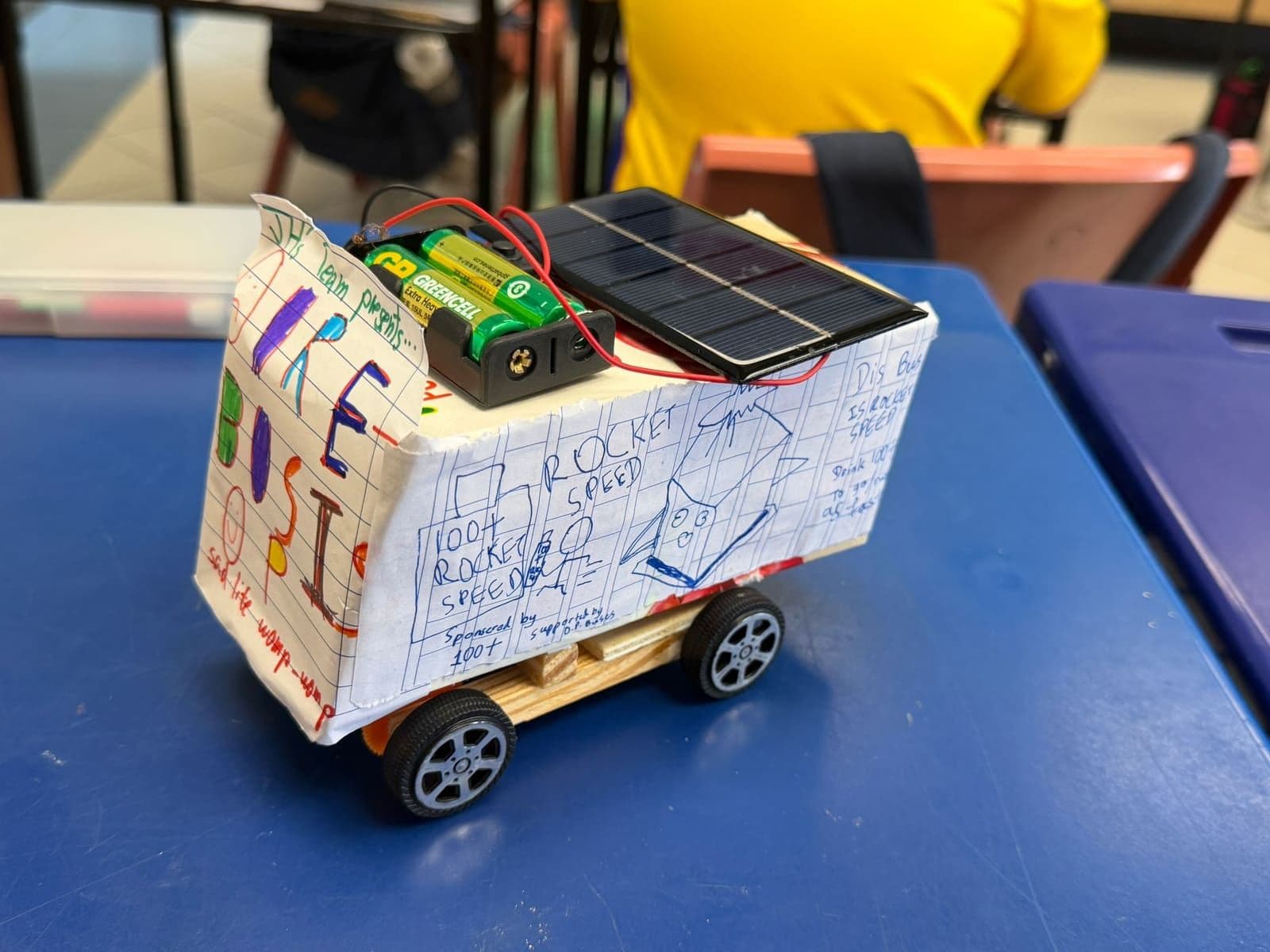
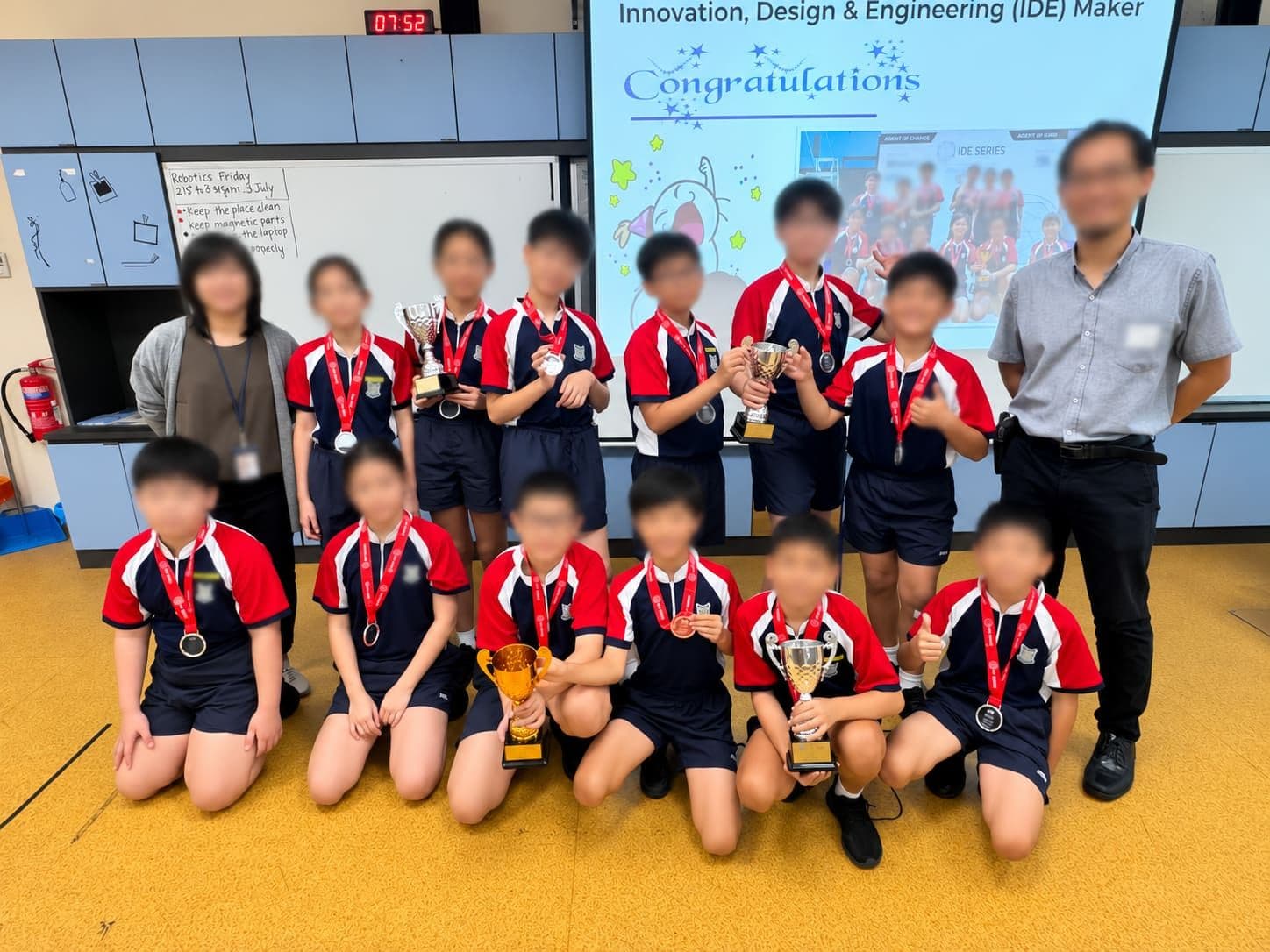
The IDE Series runs several formats rather than one competition. IDE Sprint is a line-tracing speed challenge on LEGO robotics, where teams get trial runs to calibrate and then race for the fastest accurate route. IDE Sumobot puts two robots in a ring to push each other out. IDE Robotics covers LEGO and open-platform mission challenges, and IDE Maker is a build-and-pitch format where teams develop their own project rather than solving a fixed mission.
That last one deserves more attention than it gets. A fixed mission rewards precision and iteration; a maker brief rewards problem-framing, and the two produce visibly different students. Teams that have done both tend to be the strongest, because they have had to answer what is worth building as well as how do I build it.
FIRST LEGO League, MakeX and others
FIRST LEGO League (FLL) is the international programme most families have heard of, with a Singapore season run locally. It combines a robot mission with a research project and an assessment of teamwork and core values — the last of which carries real weight in judging, and regularly surprises teams who arrive assuming the robot is everything.
MakeX runs on the Makeblock platform — mBot and its larger siblings — rather than LEGO, so it suits students who have come up through mBlock rather than a LEGO CCA. RoboCup Junior, whose Singapore Open has been held at Science Centre Singapore for years, adds soccer, rescue and on-stage formats with a stronger autonomous-robot emphasis.
Several private organisers also run beginner-friendly events for younger or first-time teams, which are often a gentler entry point than the national competitions.
Dates, categories and platforms shift from year to year, so check the organiser’s own site before planning a season around any of it.
How teams actually get picked
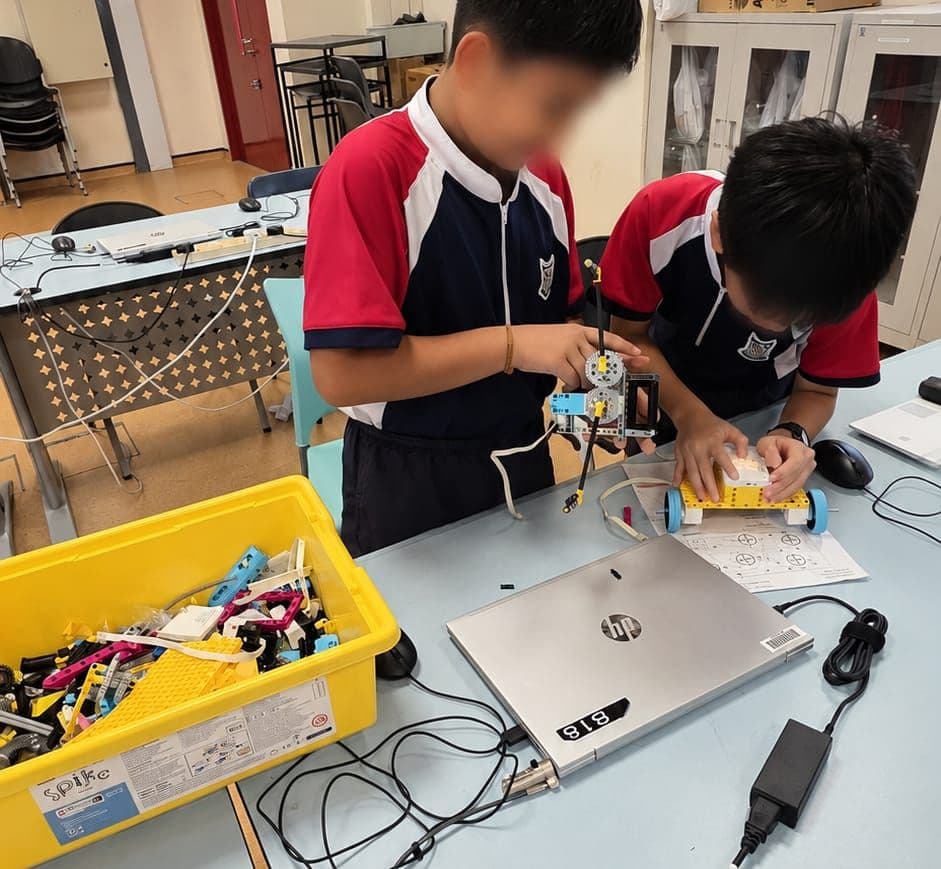
In most schools, competition teams come out of the robotics CCA, and many schools do run a selection trial — a timed challenge, a build task, or a short assessment of what a student can do independently. Where a trial exists, it is worth preparing for; ask the coach what form it takes.
What surprises parents is how much sits alongside the trial. Coaches also weigh attendance, attitude in training, and how a student behaves when a build is not working at the end of a long afternoon — because a competition team has to function under exactly those conditions. Raw ability is necessary and rarely sufficient.
This changes what is useful at home. Extra tuition in robotics rarely moves the needle on its own. Turning up consistently, and being someone the rest of the team can work with when things break, very much does.
The part nobody puts in the brochure
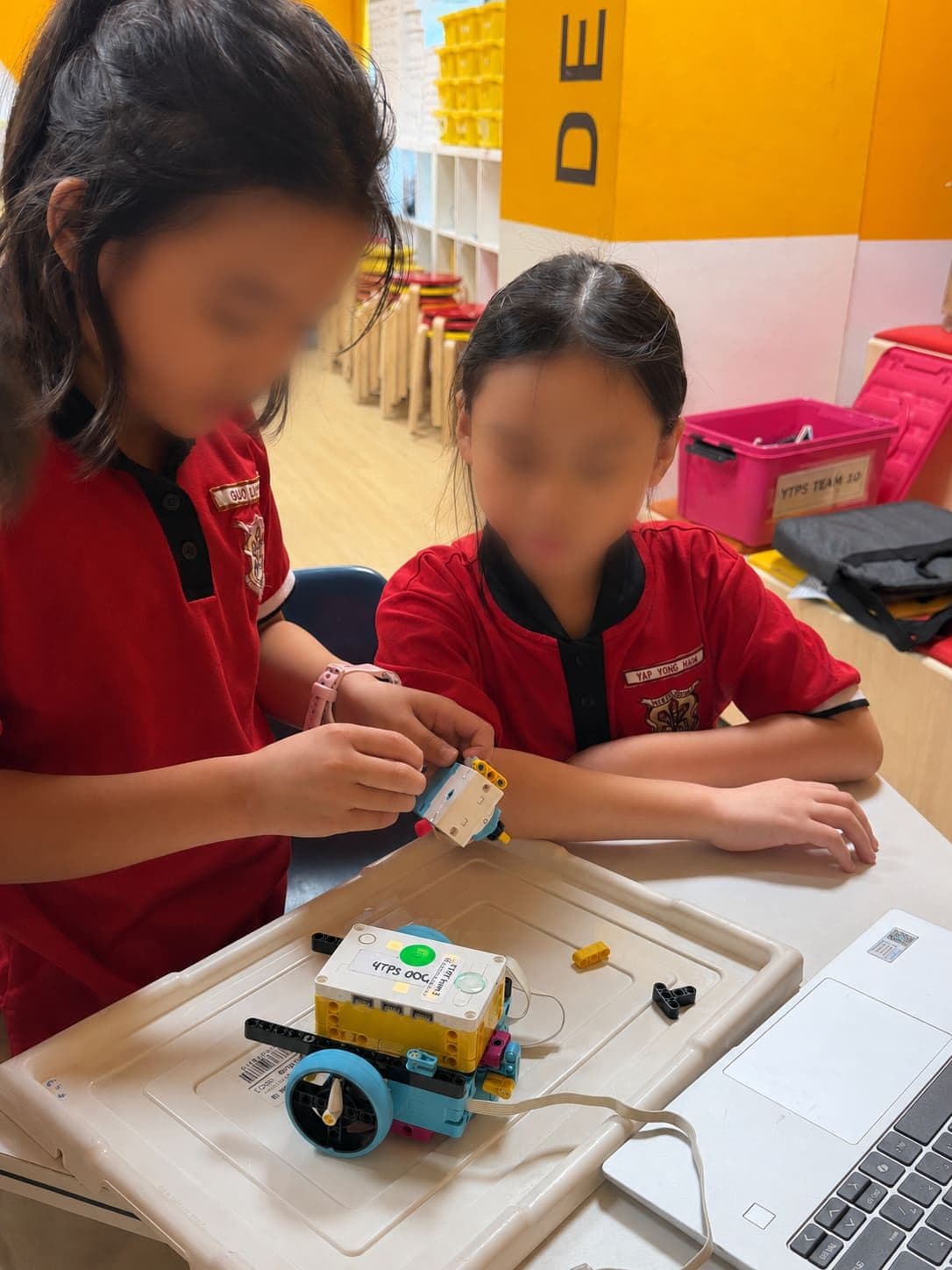
Most students who do robotics will not win anything, and that is not a failure of the child or the coach. Our own students have placed at national events, and we are proud of it — but the same CCA sessions produced far more students who never went to a competition at all and still came out able to plan a build, work in a team, and recover from a design that did not work.
If your child is enjoying it, that is already the outcome. If they want to compete, support it. If they do not, the weekly session is where nearly all the learning is happening anyway; the trophy is a by-product, not the product.
And a practical note between parents: competitions cost real time — weekends, school holidays, late training sessions — and that load falls on families as much as on students. It is entirely reasonable to decide that this season is not the season.
Whatever the result, it is worth keeping some record of what your child built along the way. We suggest a simple way to do that in keeping a record of what your child builds.
Common questions
+Which robotics competitions can Singapore primary students enter?
The main ones are the National Robotics Competition (NRC) run by Science Centre Singapore, the IDE Series (Sprint, Sumobot, Robotics and Maker formats), FIRST LEGO League, MakeX and RoboCup Junior, plus a number of smaller beginner-friendly events run by private organisers. Categories and eligibility vary by year — check each organiser directly.
+Does my child need to join a competition to benefit from robotics?
No. The weekly CCA or class is where the great majority of the learning happens. Competitions add pressure, a deadline and a fixed brief, which suit some students and not others.
+What platform do most Singapore primary competitions use?
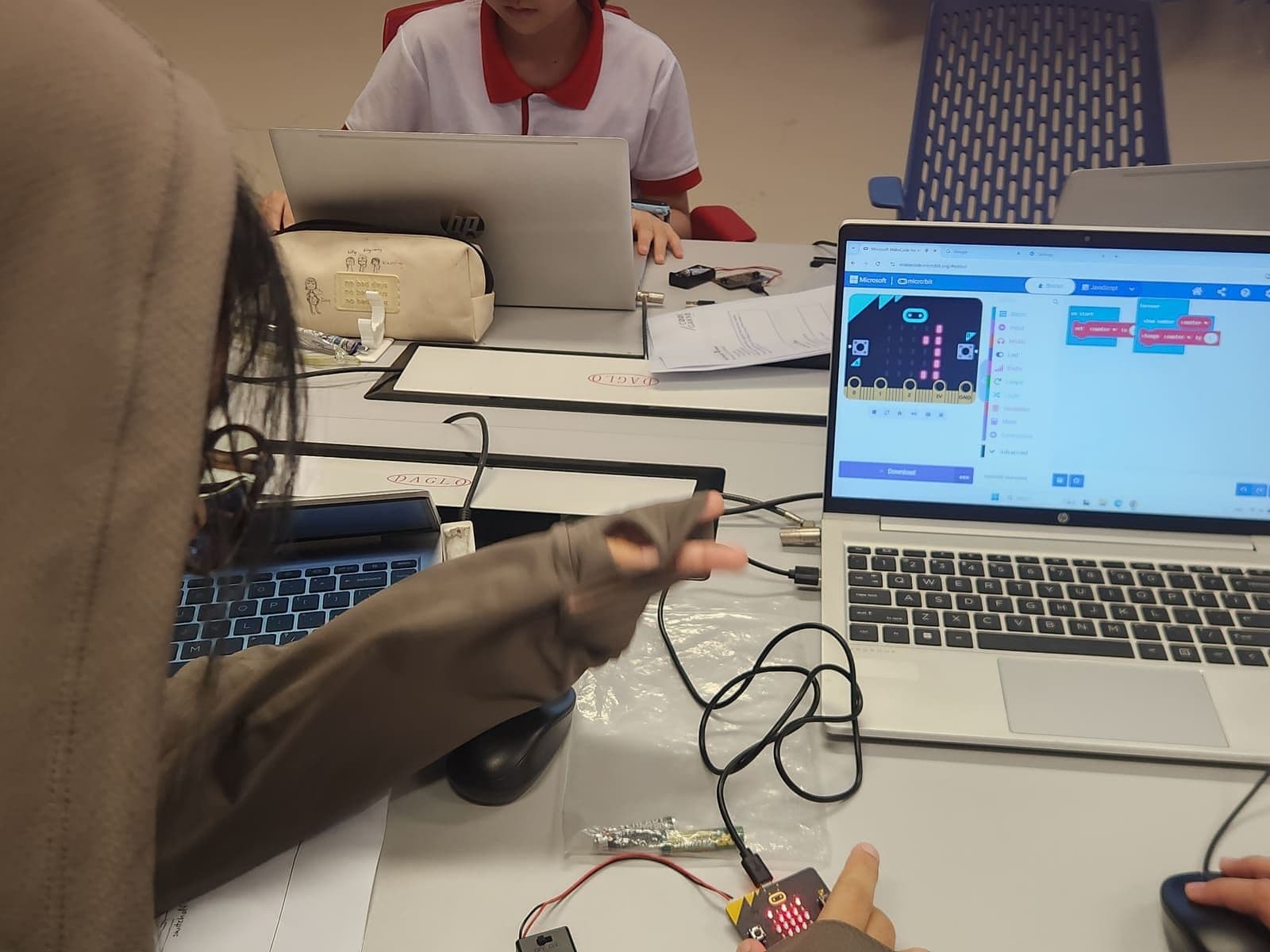
LEGO Education SPIKE Prime is the most common, with LEGO MINDSTORMS EV3 still in use in many schools. MakeX runs on the Makeblock platform (mBot and its larger models), some events use VEX IQ, and maker or open categories may allow any platform, including the micro:bit and Arduino.
+How do students get selected for a school robotics team?
Usually from within the school’s robotics CCA. Many schools run a selection trial — a timed challenge or build task — and combine it with attendance, teamwork and how a student handles a build that is not going well. Ask your child’s coach what form the trial takes at your school.
Written by the Code Gakko team. Where this guide describes MOE policy or a competition, please treat the organisation’s own site as the authority — details change from year to year.