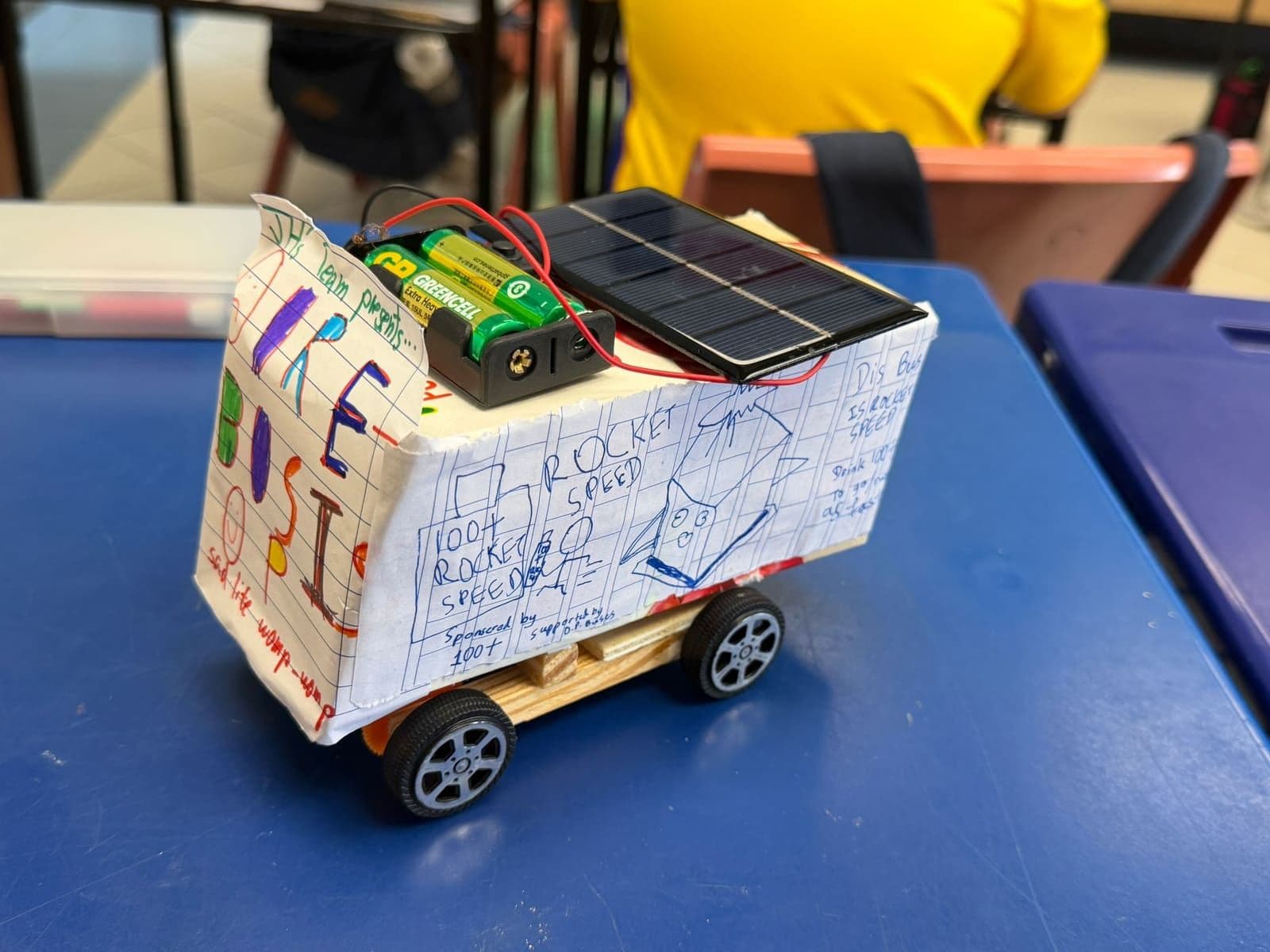
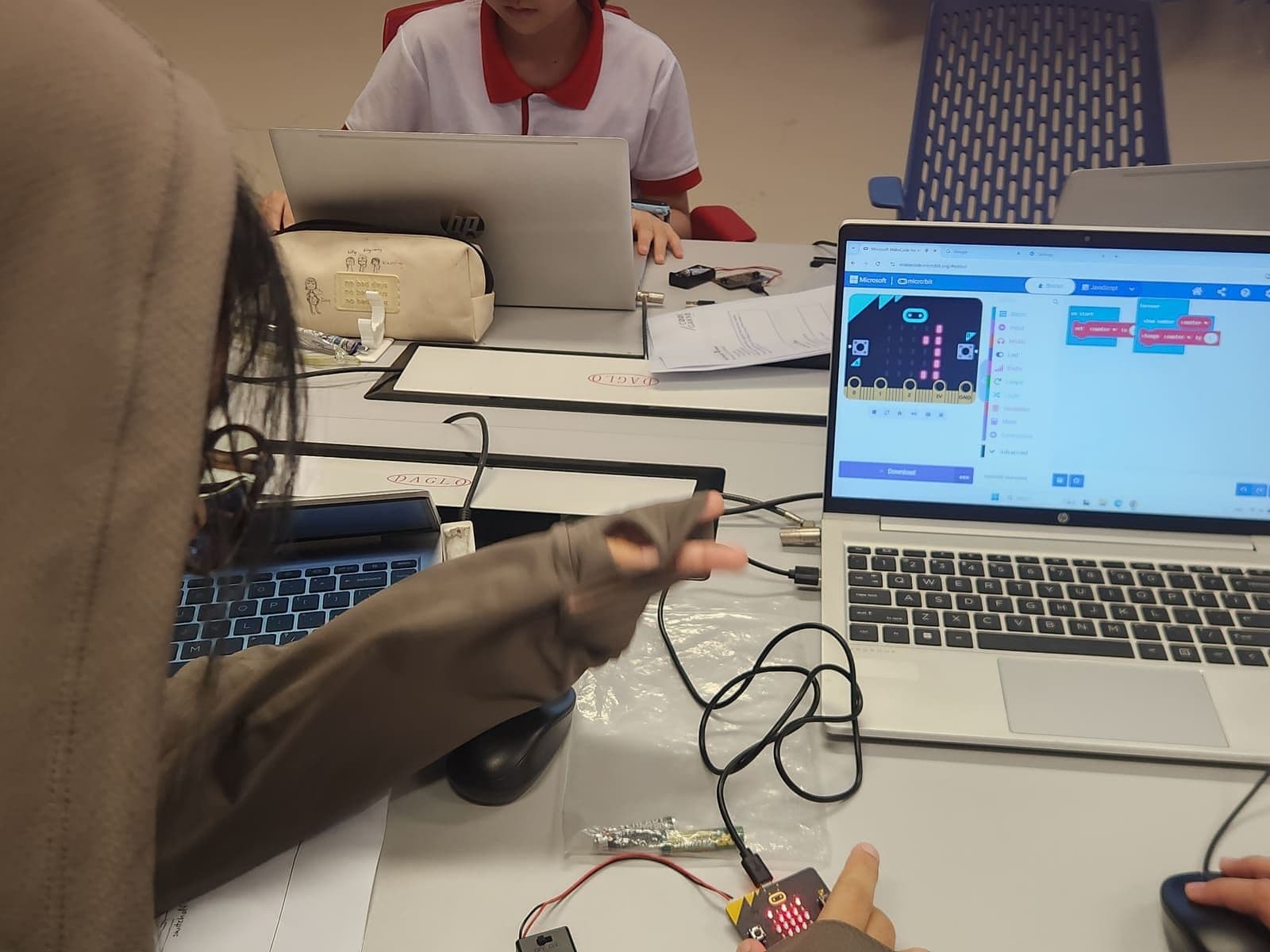
Most of what children make disappears. The build gets dismantled, the code sits in a school account nobody can log into next year, and by Primary 6 there is no trace of two years of genuinely good work. That is a small shame, and it is easy to fix.
Start with the reason, not the folder
The value of a record is not the artefact. It is that writing down what I made and why forces a child to look at their own thinking — a habit that transfers to essays, science practicals, and eventually to work.
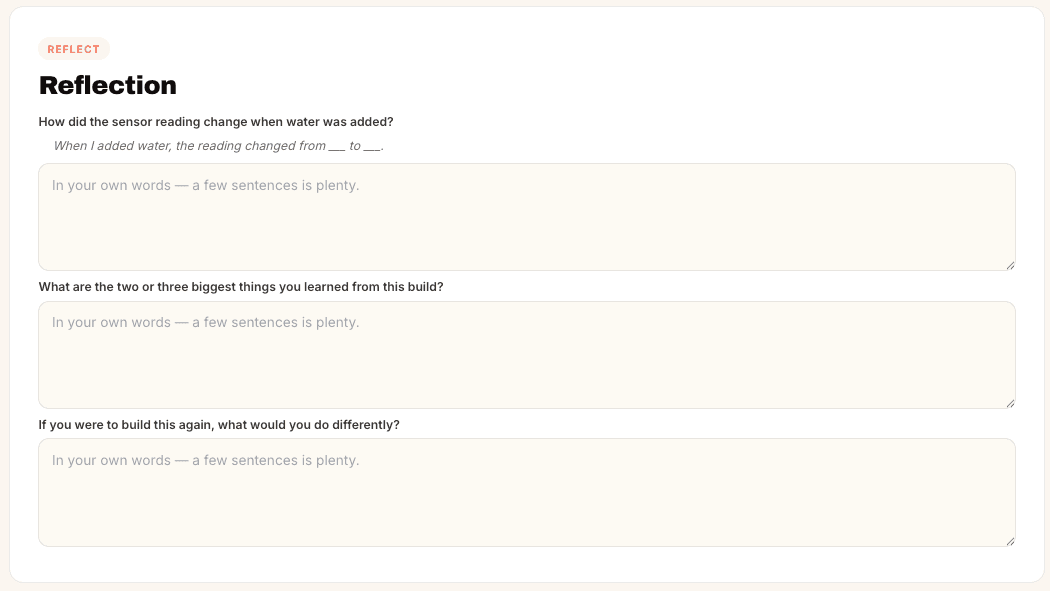
A photo album of finished projects is pleasant and largely inert. Three sentences underneath each photo — what problem was I solving, what went wrong, what would I change — is worth considerably more, and takes about four minutes.
What a usable entry contains
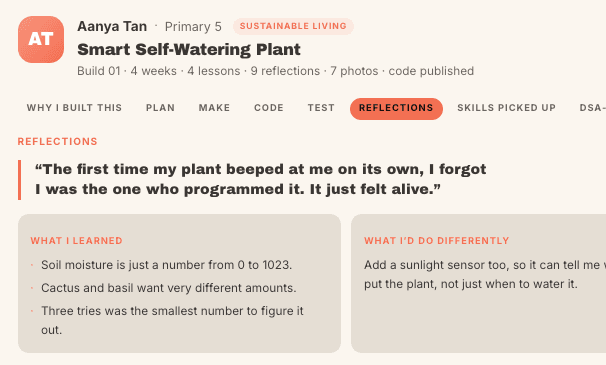
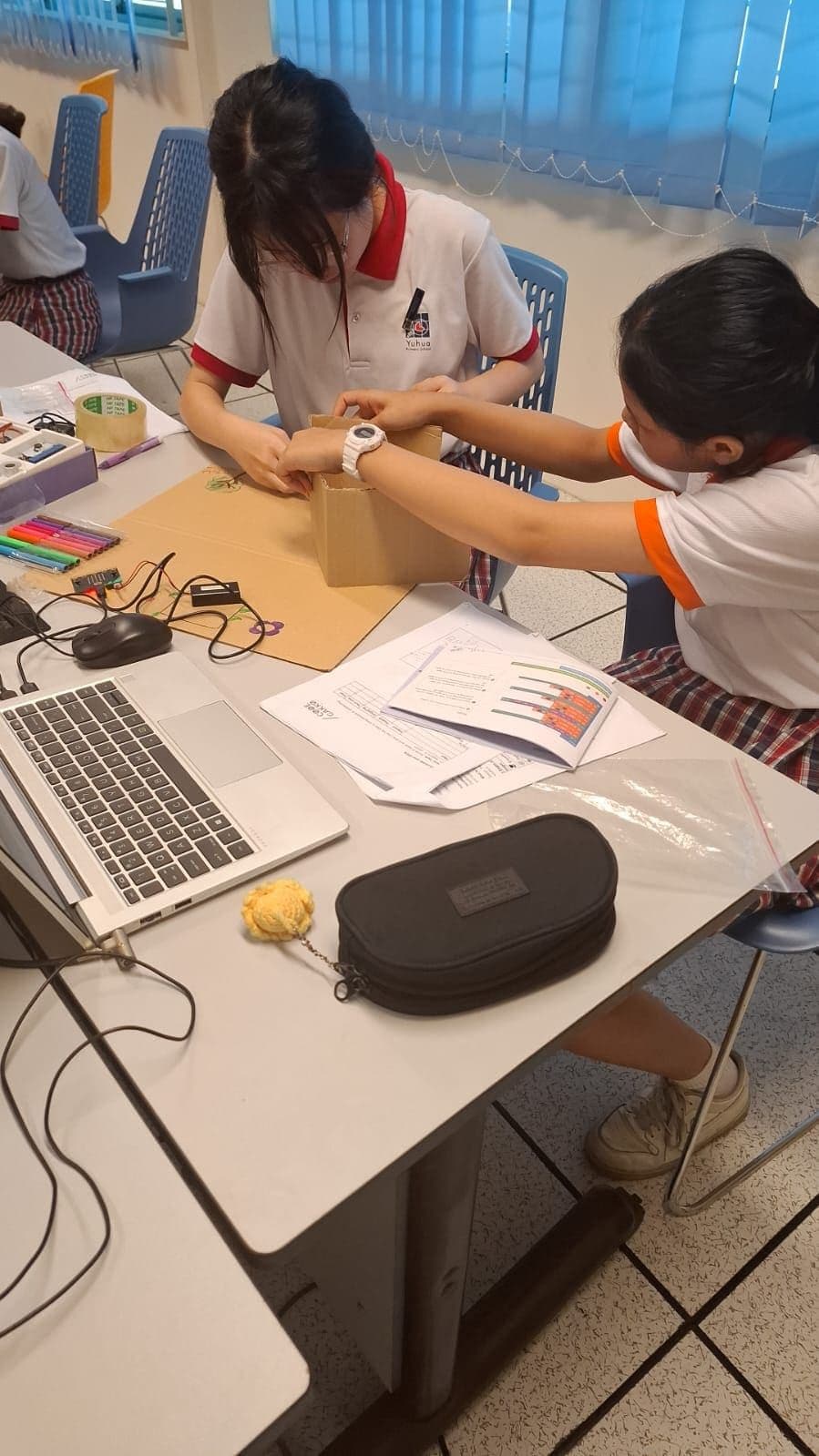
A photo or short video of the thing working — and, if you can bear it, one of it not working. A sentence on the problem it was meant to solve. The code, or a screenshot of it. And the child’s own words on what they would do differently.
In the child’s own words is the part to protect. A parent-written caption is obvious to any reader, and it quietly teaches the child that their account of their own work is not good enough. Spelling mistakes and all is better.
Where to keep it
A shared album with captions works. A free Google Site works. A physical scrapbook works, and has the advantage that nobody’s account expiry can delete it.
Two practical cautions. Anything in a school-managed account is usually gone when the child leaves, so export at the end of each year. And keep it out of public view unless you have a specific reason not to — a searchable page with a child’s full name, face and school on it is a trade you cannot easily undo later.
An honest note about DSA
Parents usually raise portfolios in the same breath as Direct School Admission, so it is worth being careful here rather than encouraging.
MOE describes DSA-Sec as a pathway to gain admission based on interests, aptitude and potential, beyond PSLE performance, across talent areas that include science, mathematics and engineering. But each school runs its own selection process, MOE does not publish a checklist, and no honest provider can tell you what a given panel is looking for. Anyone who claims otherwise is guessing or selling.
What can be said plainly: DSA is one route among several, most students enter secondary school through the normal posting process and do perfectly well, and a child should not take up robotics in Primary 4 as an admissions strategy. If your child genuinely enjoys building things, a record of that work is a nice thing to have and may be useful if they later apply. If they do not enjoy it, a portfolio will not help — and the two years of joyless enrichment that produced it will have cost more than it returned.
Keep a record because the work deserves one. If it turns out to be useful somewhere else, treat that as a bonus.
The four-minute version
At the end of a build, ask three questions and write down the answers: What were you trying to solve? What did not work? What would you do differently next time? Photograph the thing. Date it. Done.
Do that ten times over two years and your child has something genuinely rare: evidence of how their thinking changed, in their own handwriting.
If you are still working out which tools are worth your child’s time in the first place, we compare the usual starting points in Scratch, micro:bit or LEGO robotics.
Common questions
+Does a STEM portfolio help with Direct School Admission?
It may form part of what a student can show, but each school sets its own DSA selection process and MOE does not publish criteria, so nobody can promise a portfolio will help with a particular school. DSA is one admission route among several — most students are posted through PSLE — and it is not a reason to push a child into an activity they do not enjoy.
+What should go into a child’s project portfolio?
A photo or video of the working build, one sentence on the problem it solved, the code or a screenshot of it, and the child’s own written reflection on what went wrong and what they would change. The reflection is the part that carries the value.
+Should a child’s portfolio be public?
Not by default. Keep it private or share it by link with people who need to see it. A publicly searchable page carrying a child’s full name, face and school is difficult to undo later.
Written by the Code Gakko team. Where this guide describes MOE policy or a competition, please treat the organisation’s own site as the authority — details change from year to year.